
Cloud
Cloud migration isn't the finish line, it's the on-ramp. Plenty of companies "move to the cloud" and end up with the same problems they had on-premise, just billed monthly instead of depreciated annually. The value shows up afterward — in how well the environment is architected, operated and optimized once the migration project team has moved on. That's the part we stay for.
The sections below cover the three places we spend most of our time: getting workloads onto the right platform in the first place, running a coherent operating model across every cloud and data centre you have, and keeping the whole environment automated, observed and cost-efficient long after go-live.
Cloud Migration & Modernization
Whether it's a straightforward lift-and-shift or a full move to cloud-native and containers, the goal is the same: come out the other side spending less time on infrastructure and more time on the product. Before anything moves, we assess what you actually have — application by application — and match each one to the right disposition: keep it, replatform it, refactor it, repurchase it, or retire it. Then we plan the wave sequencing based on real dependencies, not guesswork, so nothing gets migrated before what it depends on, and every wave is validated before we call it done.Workload Disposition & Migration Patterns (the "6R"s)
A structured evaluation of your existing application and infrastructure estate, so each workload gets matched to the right migration pattern — rehost, replatform, refactor, repurchase, retain or retire — instead of forcing everything through the same "lift and shift" template.Data Centre & Legacy Modernization
Virtualization, automation and cloud-ready architecture patterns that get aging data centres onto a foundation that can actually keep up.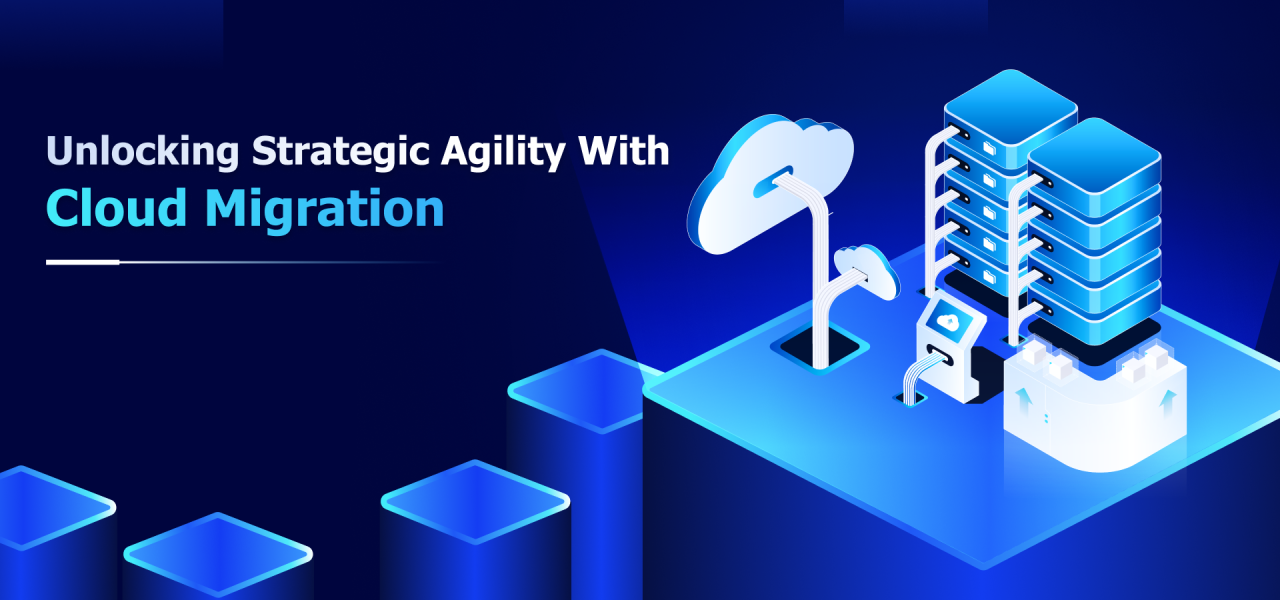
Dependency-Mapped Migration Waves
Migrations sequenced by what actually depends on what, with automated quality checks at each wave instead of finding out about a broken integration in production.Containerization & Cloud-Native Refactoring
Where it's worth the investment, we refactor applications to be genuinely cloud-native — containerized, horizontally scalable, and built to use the platform instead of just sitting on top of it.Migration Testing & Cutover
Functional and performance validation before and after every wave, with a rollback plan ready and rehearsed in case a cutover doesn't behave the way the runbook said it would.Hybrid & Multi-Cloud Operations
Very few enterprises run on a single cloud, and fewer still run on no on-premise infrastructure at all. Most environments we inherit are the product of years of independent decisions — a data centre here, an AWS account there, an Azure tenant from an acquisition — each with its own conventions and no one accountable for how they fit together. We manage AWS, Azure, Google Cloud, Oracle Cloud and private data centres as one operating environment, with one set of standards, so your teams don't have to learn a different playbook for every platform.Unified Hybrid & Multi-Cloud Management
Consistent policies, standards and guardrails applied across every provider and on-premise environment, instead of a patchwork of one-off configurations.Workload Placement
Each workload runs where it performs best at the right cost, rather than being forced into whichever cloud happened to win the last procurement cycle.On-Prem Server & Virtualization Management
Full lifecycle management of physical and virtual environments (VMware, Hyper-V, Nutanix and similar), connected cleanly to your cloud footprint for a genuinely flexible hybrid setup.Cross-Cloud Networking & Connectivity
Secure, low-latency connectivity between clouds and on-prem data centres — VPNs, direct interconnects and service mesh where it's warranted — so a hybrid environment behaves like one network instead of several bolted together.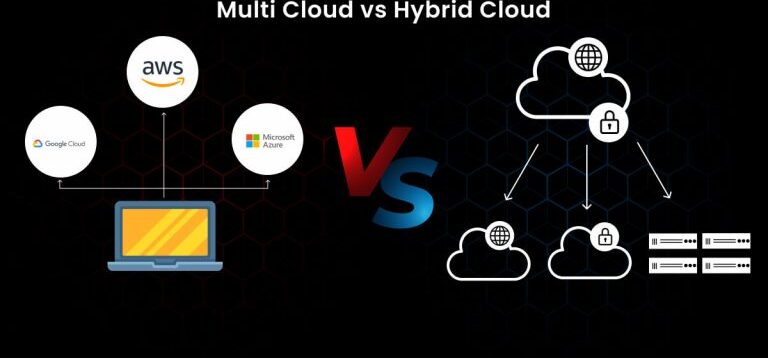
Infrastructure Automation & Cost Optimization
Cloud bills creep up quietly — an oversized instance here, an orphaned storage volume there — until someone finally asks why costs doubled without a matching increase in usage. Manual operations creep the same way: a one-off fix here, a manual patch there, until the environment only one person really understands. We automate the operational grind and keep a continuous eye on spend, so scale doesn't have to mean waste, and so operational knowledge lives in code instead of one engineer's head.Infrastructure as Code & Automation
Terraform, Ansible and CloudFormation-based provisioning so every environment is built the same, correct way every time, with routine patching and configuration handled automatically.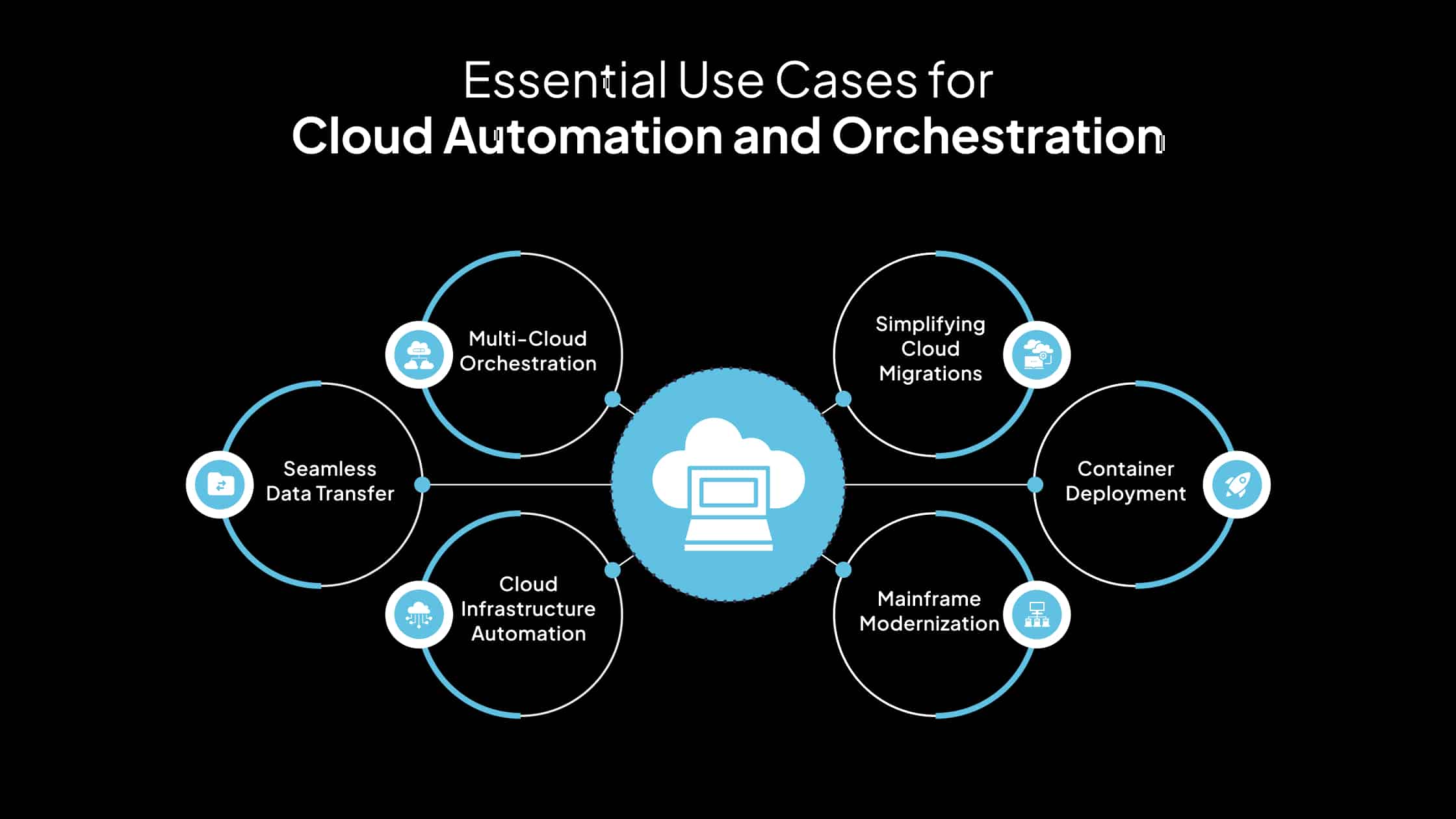
Observability & Monitoring
One real-time view across cloud, network, servers and applications, with logs, metrics and traces connected so teams find root causes instead of guessing.Performance, Capacity & FinOps
Continuous rightsizing, predictive capacity planning and automatic scaling, paired with cost visibility so finance and engineering are looking at the same numbers.Self-Healing & Auto-Remediation
Automated responses to known failure patterns — restart, scale, failover — so common incidents resolve themselves before a human needs to be paged at 2am.Why Choose Us
Assessment Before Action
Every migration starts with a real disposition analysis, not a blanket lift-and-shift.
One Environment, Any Provider
Consistent operations and guardrails across AWS, Azure, GCP, Oracle and on-prem.
Cost Visibility, Not Surprises
Continuous FinOps discipline keeps cloud spend matched to actual usage.
Automation That Holds Up
Infrastructure as code and self-healing automation mean environments stay correct as they scale.